
"19 years"
5000 article(s) found

Boutique coffee beans knowledge coffee producing area Kenya
Coffee entered Kenya in the 19th century, when Ethiopian coffee drinks were imported into Kenya through southern Yemen. But it was not until the early 20th century that the Bourbon Coffee Tree was created by the St. Austen Mission (St). Austin Mission) is introduced. Kenyan coffee is mostly grown at an altitude of 1500 to 2100 meters and is harvested twice a year. To ensure that only ripe berries are picked, people must

South-central Puerto Rico Coffee Manor San Pedro Manor
Apart from the sunshine and beaches of the Caribbean and Miss World, do you know what else is most attractive about this South American island known as the port of wealth? That's the best coffee. Puerto Rico is one of the world's preeminent coffee producers. Puerto Rican coffee has become the first choice of the Vatican and European royals since the second half of the 19th century.
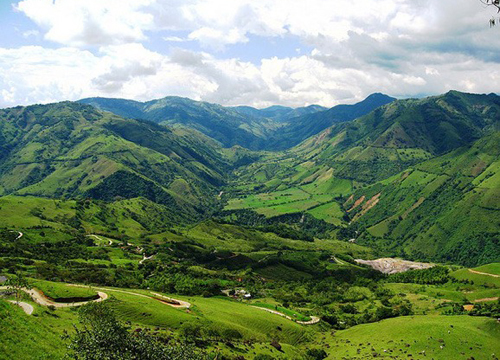
Brazilian Coffee Industry Brazilian Coffee production areas learn about Brazilian Coffee Industry
Coffee industry in Brazil Coffee is a traditional industry in Brazil. Since 1960, coffee cultivation in Brazil has been ranked first in the world, with an average annual output of 24.6 million bags (60 kg each). In 2002, due to favorable weather and a good year for coffee production, Brazilian coffee reached the best level in history, reaching 47.2 million bags, an increase of 59.6 per cent over 28.137 million bags in 2001. According to the United States Department of Agriculture 20

Coffee brewing made a comeback a hundred years ago
At the end of the 19th century and the beginning of the 20th century, Bentz Melitta, a German housewife, thought it was too troublesome to make coffee now. One day, she made a hole in the bottom of the copper bowl, took out an blotting paper from her son's schoolbag and put it into the hot water. Immediately, the mellow coffee dripped into the pot through the blotting paper. That's how she invented the ability to filter dregs and retain mellow coffee.

Description of Coffee Bean Variety introduction and Flavor in Saint Roman Manor, Costa Rica
Professional barista communication please follow coffee workshop (Wechat official account cafe_style) altitude: 1200-1900m harvest: November March Costa Rica San Ruman processing Plant Coffee production area: Tarrazu Coffee Variety: Caturra.Catuai Annual rainfall: 2000 mm grading Standard: SHB Annual average temperature: 19 degrees C treatment: washing raw beans specifications: 17-18 mesh planting altitude

Introduction to the Historical processing method of Variety planting Information Development in Saint Roman Manor
Professional barista communication please follow coffee workshop (Wechat official account cafe_style) altitude: 1200-1900m harvest: November March Costa Rica San Ruman processing Plant Coffee production area: Tarrazu Coffee Variety: Caturra.Catuai Annual rainfall: 2000 mm grading Standard: SHB Annual average temperature: 19 degrees C treatment: washing raw beans specifications: 17-18 mesh planting altitude
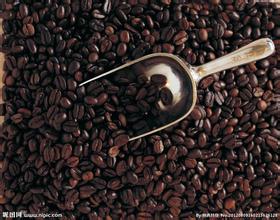
Characteristics of Kenyan coffee beans methods of growing Kenyan coffee beans
Coffee entered Kenya in the 19th century, when Ethiopian coffee drinks were imported into Kenya through southern Yemen. But it was not until the early 20th century that the Bourbon Coffee Tree was created by the St. Austen Mission (St). AustinMission) is introduced. Kenyan coffee is mostly grown at an altitude of 1500 to 2100 meters and is harvested twice a year. To ensure that only ripe berries are picked, people must be in the forest
Coffee brewing made a comeback a hundred years ago
At the end of the 19th century and the beginning of the 20th century, Bentz Melitta, a German housewife, thought it was too troublesome to make coffee now. One day, she made a hole in the bottom of the copper bowl, took out an blotting paper from her son's schoolbag and put it into the hot water. Immediately, the mellow coffee dripped into the pot through the blotting paper. That's how she invented the ability to filter dregs and retain mellow coffee.
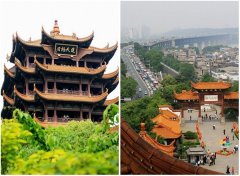
Coffee basic knowledge Coffee consumption Culture in Wuhan, China
Wuhan, a beautiful city. Report in 2001: Wuhan teahouse coffee shop drinks 350 million yuan a year. Zhongxin Hubei News on March 19th: green tea lasts forever and coffee lasts forever. This is probably a classic summary of the rising culture of tea, coffee and leisure among Wuhan citizens in recent years. According to the special theme of "Tea, Coffee and Leisure Culture" just concluded by the Central South Social Research Institute.

Will the epidemic affect the price of coffee in 2020? what is the difference in the packaging and transportation of coffee in the new season?
The Covid-19 pandemic has affected the entire coffee supply chain. Coffee shops around the world had to close, bakers began to focus on online sales and subscription programs, and consumers drank more coffee at home than ever before. However, for some people in the coffee industry, the main logistical problem is the transportation of raw coffee. Delays in farms and ports have been

"Tian Ai Zun Shang" Coffee will be unveiled at the 18th Chinese Food Exhibition. Pure Vietnamese Coffee sweeps across Modu.
Shenzhen, May 3 / PRNewswire-FirstCall-Asianet / /-May 17-19, the 18th China International Food and Beverage Exhibition (SIAL China) will be held at the Shanghai New International Expo Center, when enterprises and dealers who have made positive contributions to the development of the food industry and food marketing industry will gather to show the development trend of global food and beverage. TNI Corporation will

The practice of fine Kenyan coffee the purchase of Kenyan coffee beans
Coffee entered Kenya in the 19th century, when Ethiopian coffee drinks were imported into Kenya through southern Yemen. But it was not until the early 20th century that the Bourbon Coffee Tree was created by the St. Austen Mission (St). AustinMission) is introduced. Kenyan coffee is mostly grown at an altitude of 1500 to 2100 meters and is harvested twice a year. To ensure that only ripe berries are picked, people must be in the forest

Introduction of boutique Kenyan coffee how much does Kenya buy Kenyan coffee?
Coffee entered Kenya in the 19th century, when Ethiopian coffee drinks were imported into Kenya through southern Yemen. But it was not until the early 20th century that the Bourbon Coffee Tree was created by the St. Austen Mission (St). AustinMission) is introduced. Kenyan coffee is mostly grown at an altitude of 1500 to 2100 meters and is harvested twice a year. To ensure that only ripe berries are picked, people must be in the forest

The characteristics of Kenyan coffee beans the origin of Kenyan coffee beans
Coffee entered Kenya in the 19th century, when Ethiopian coffee drinks were imported into Kenya through southern Yemen. But it was not until the early 20th century that the Bourbon Coffee Tree was created by the St. Austen Mission (St). AustinMission) is introduced. Kenyan coffee is mostly grown at an altitude of 1500 to 2100 meters and is harvested twice a year. To ensure that only ripe berries are picked, people must be in the forest
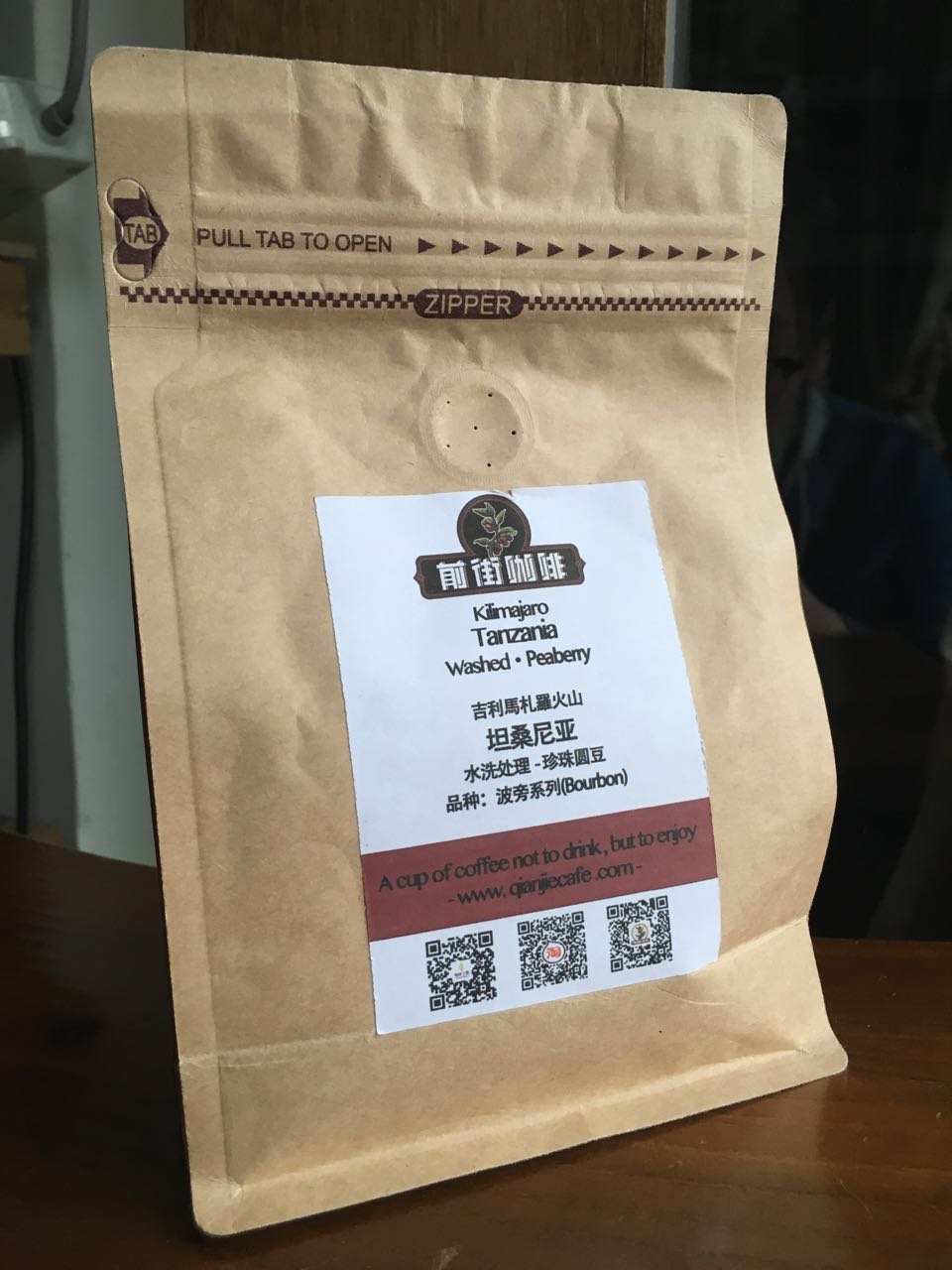
Characteristics of Kenyan coffee beans A brief introduction to Kenyan coffee beans
Coffee entered Kenya in the 19th century, when Ethiopian coffee drinks were imported into Kenya through southern Yemen. But it was not until the early 20th century that the Bourbon Coffee Tree was created by the St. Austen Mission (St). AustinMission) is introduced. Kenyan coffee is mostly grown at an altitude of 1500 to 2100 meters and is harvested twice a year. To ensure that only ripe berries are picked, people must be in the forest

The characteristics of Kenyan coffee beans the origin of Kenyan coffee beans
Coffee entered Kenya in the 19th century, when Ethiopian coffee drinks were imported into Kenya through southern Yemen. But it was not until the early 20th century that the Bourbon Coffee Tree was created by the St. Austen Mission (St). AustinMission) is introduced. Kenyan coffee is mostly grown at an altitude of 1500 to 2100 meters and is harvested twice a year. To ensure that only ripe berries are picked, people must be in the forest

[rose summer] special show! 6 Panama & Essex Coffee Competition! 30% discount on Blue Mountain package!
Professional coffee knowledge exchange more coffee bean information please follow the coffee workshop (Wechat official account cafe_style) [Rose Summer] discount special! This special event [Qianjie Coffee] will present you with two selected ears, five kinds of concessionary rations beans and eight kinds of boutique beans! A 20% discount for all single beans! The combination of 4 top Rose Summer products and 2 Rose Summer products has more Blue Mountain discount sets.

Is Kenya of Brazilian descent? The source of coffee cultivation in Kenya
Professional coffee knowledge exchange for more information about coffee beans, please follow the introduction of Kenyan Coffee in the front street of the coffee workshop (Wechat official account cafe_style). The original place of origin of Arabica coffee shop is north of Kenya, but it was not until the beginning of the 20th century that it began to engage in coffee cultivation. 19th century missionaries introduced Arabica coffee from Yemen, but did not plant a large number of species until 1893.

Mengtu, handsome guy, painting for stars on Starbucks paper cups has become popular on the Internet.
Lyubomir, a 19-year-old Bulgarian student, has become popular on Instagram for creating lifelike celebrity portraits on Starbucks paper cups, the Daily Mail reported. Lyubomir started painting on mugs several years ago, until in January this year he shared pictures of Carradi on Instagram.

The origin of Kenyan coffee the present situation and development prospect of Kenyan coffee!
1. It originated in Kenya in the 19th century, when Ethiopian coffee drinks were imported to Kenya through South Yemen. But it was not until the early 20th century that the bourbon was introduced by the St. Austen Mission (St.AustinMission). Kenyan coffee is mostly grown at an altitude of 1500m, 2100m, and is harvested twice a year. To ensure that only ripe berries are picked, people